
Introduction
As Vietnam’s regulations on information security and personal data protection continue to improve, it has become particularly important for companies deploying servers in Vietnam to comply with Tencent Cloud’s requirements and follow best practices for data protection. From a perspective that emphasizes both compliance and technology, this article outlines key regulatory points, strategies for addressing them, and implementation recommendations. It aims to help technology, compliance, and operations teams develop an actionable compliance roadmap and reduce legal and operational risks.
Overview of Vietnam’s Legal and Compliance Framework
Vietnam has a progressive legal framework for data protection, cybersecurity, and telecommunications management, covering personal data protection, handling of sensitive information, and the security of critical infrastructure. Companies need to identify the scope of applicable regulations, data classification standards, and regulatory requirements. They must also clarify the compliance requirements for Tencent Cloud’s servers in Vietnam, as well as the minimum compliance standards and reporting obligations outlined in data protection practices. At the institutional level, it is necessary to establish clear responsibilities and compliance processes.
Compliance requirements for Tencent Cloud’s deployment in Vietnam
When using Tencent Cloud or other cloud services in Vietnam, it is necessary to verify the service provider’s localization capabilities, compliance certifications, and security measures. Pay special attention to the data storage location, whether the service provider supports local backups, log retention policies, and the availability of data during regulatory investigations. Ensure that Tencent Cloud’s compliance requirements for servers in Vietnam, as well as recommendations for data protection practices, are technically implemented and incorporated into SLAs and emergency response plans.
Requirements for data localization and cross-border transfer
Vietnamese regulations may require certain types of data to be stored locally or impose restrictions on cross-border transmission. Companies should refine data classification to determine which data must remain on-site and which can be exported after approval or with additional safeguards. Establish cross-border transfer processes, compliance templates, and technical isolation measures to ensure business continuity while meeting Tencent Cloud’s compliance requirements and data protection practices for servers in Vietnam.
Technical data protection practices (encryption, access control)
Adopting mandatory technical protection measures on Vietnamese servers is a core element of compliance, including encryption of data at rest and in transit, fine-grained access control, multi-factor authentication, and key management throughout its lifecycle. These controls should be incorporated into Tencent Cloud’s resource configuration baselines and CI/CD processes. Together with logging and intrusion detection, they form an auditable technology stack to support the implementation and verification of compliance requirements for Tencent Cloud servers in Vietnam, as well as data protection practices.
Operational management, monitoring, and audit recommendations
Full compliance depends not only on technology but also on daily operational and auditing capabilities. It is recommended to establish mechanisms for continuous monitoring, centralized logging, and regular vulnerability assessments, as well as develop incident response and notification procedures. Through internal and external audits, penetration testing, and compliance checks, the compliance with Tencent Cloud’s requirements and the implementation of data protection practices for servers in Vietnam are regularly verified, allowing for timely correction of governance gaps and control failures.
Contracts, Law, and Recommendations for Risk Allocation
When signing contracts with cloud service providers and third-party suppliers, clear terms should be established regarding the data processor’s responsibilities, data residency, access rights, audit cooperation, and incident reporting, including compliance breach penalties and remedies. The legal team needs to assist in assessing the compliance differences in Vietnam, and incorporate into the contract specific measures for ensuring compliance with Tencent Cloud’s requirements for servers in Vietnam, as well as recommendations for data protection practices. This will help balance business needs with compliance risks.
Summary and Recommendations
Summary: Meeting Tencent Cloud’s compliance requirements and data protection practices for Vietnamese servers requires coordination across three aspects: regulatory understanding, technical implementation, and operational governance. It is recommended to first complete data classification and risk assessment, determine localization and cross-border strategies, then implement encryption, access control, and audit mechanisms. Compliance requirements should also be included in contracts and SLAs to create a closed-loop management system for continuously addressing regulatory and security challenges.
- Latest articles
- Where Can You Find A Variety Of Billing Options For Vietnam Cloud Servers? To Meet Different Budget Needs
- Enterprise Migration Guide VPS Software Vietnam Practical Data Backup And Fault Recovery Manual
- From A Long-term Operational Perspective, The Advantages Of Hong Kong Server Clusters Are Reflected In Maintenance And Upgrades
- Technical Test Report Shows High Latency In Korean Telecom VPS, Common Bottlenecks, And Repair Methods
- Malaysian CN2 Access Guide And Common Configuration Examples For Developers
- Identifying And Tracing Techniques For Hong Kong Native IP Ranges And ISP Ownership
- Technical Interpretation: Analysis Of Network Latency And Stability Of Viomi Technology's US Servers
- From Design To Acceptance, Precautions And Quality Control Points For Network Cable Routing In German Data Centers
- Enterprise-Level Deployment Guide Taiwan Server Bidirectional CN2 Cloud Host Network Redundancy Design Key Points
- Practical Operations And Maintenance: Precautions For Deploying Applications Online On A 120-200 US Private VPS
- Popular tags
-

Has Vietnam’s CF Server Been Shut Down? How Can I Communicate Effectively With The Official Customer Service?
If you suspect that Vietnam’s CF servers have been shut down, this article guides you on how to verify the situation, prepare necessary documents, choose official customer service channels, and communicate professionally to improve problem-solving efficiency and protect your account rights. -
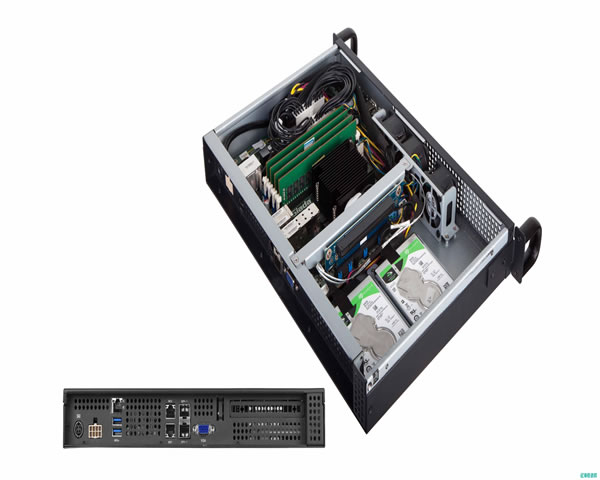
Performance Comparison Of Vietnam's Native Ip Vps And Cloud Host In Terms Of Delay Stability, Actual Measurement Conclusion
based on comparative testing, we analyze performance and compare the actual measurement results of vietnam's native ip vps and cloud hosts in terms of latency stability, including test methods, network topology effects, respective advantages and optimization suggestions, to help make choices when deploying services in vietnam and surrounding areas. -
Things To Note When Choosing A Vietnamese Server’s Native Ip
this article details what you need to pay attention to when choosing a native ip for a vietnamese server, including considerations in performance, security, and price.